Last Updated on January 5, 2026 by Rachel Hall
- How Dating Apps Are Fuelling Cosmetic Surgery: The Powerful Influence of Online Dating and Cosmetic Procedures Among Women Who Use Dating Apps
- 1. The Rise of Cosmetic Surgery Among Women Is No Coincidence
- 2. Swipe Culture Is Fueling an Obsession with Appearance
- 3. Digital Filters Lead to Real-Life Alterations
- 4. Positive Attitudes Toward Cosmetic Surgery Are Rising Among App Users
- 5. Dating Apps Are Linked to Body Image Issues
- 6. Cosmetic Procedures Are Becoming Normalised for Online Dating Success
- 7. How Dating Apps Could Be Redesigned for Psychological Well-being
- Final Thoughts: What Does This Mean for the Future?
- FAQs
How Dating Apps Are Fuelling Cosmetic Surgery: The Powerful Influence of Online Dating and Cosmetic Procedures Among Women Who Use Dating Apps
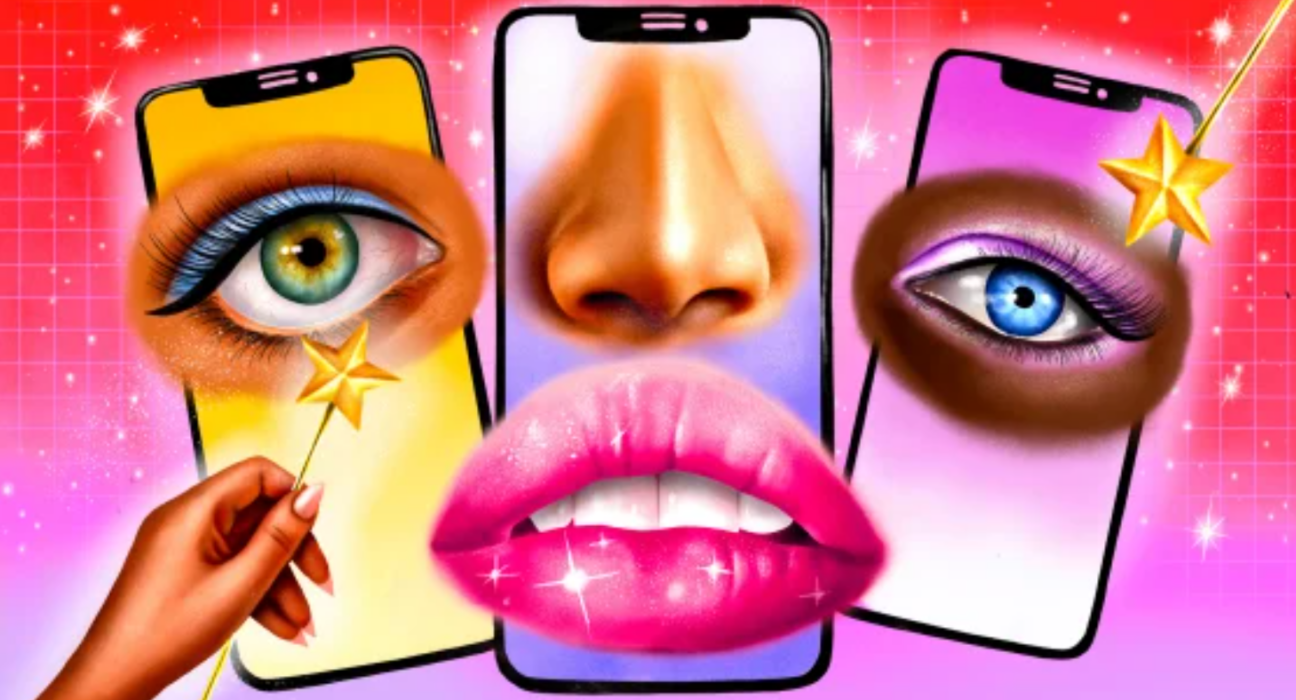
In the modern age of romance, the rules of attraction are being rewritten by technology. Dating apps have reshaped how we meet, interact, and perceive potential partners. But beneath the surface of swipes and matches lies a more concerning trend: online dating is driving a growing number of women toward cosmetic surgery.
Recent academic findings suggest a powerful link between dating app use and the rise in cosmetic procedures. For women who use dating apps, the pressure to present the “perfect” self is no longer just digital—it’s become physical. And many are choosing to undergo cosmetic procedures to align their real-world appearance with curated online personas.
Let’s explore seven critical ways this transformation is unfolding—and what it means for the future of self-image, beauty, and authenticity in dating.
1. The Rise of Cosmetic Surgery Among Women Is No Coincidence
The growing popularity of cosmetic surgery cannot be separated from the rise of dating apps specifically designed to encourage quick visual judgments. The University of South Australia recently conducted a study involving 308 Australian women aged 18 to 72. The results were striking: nearly half had used a dating app in the past two years, and one in five had undergone at least one cosmetic procedure.
Common procedures included dermal fillers and anti-wrinkle injections, with many participants admitting that their dating app usage influenced their decisions to alter their appearance. These findings reflect how apps aren’t just changing how people date—they’re reshaping how women feel about themselves.
2. Swipe Culture Is Fueling an Obsession with Appearance
The visual nature of dating apps has created a fast-paced environment where images speak louder than words. On swipe-based apps, users make split-second decisions based almost entirely on looks. This system creates a highly curated beauty economy, where being deemed attractive is essential for engagement.
This places significant pressure on users—especially women seeking validation or connection—to meet a narrowly defined aesthetic. The constant exposure to polished profiles results in increased comparison and dissatisfaction, reinforcing the idea that one must look flawless to be worthy of love or attention.
The result? A growing number of women are likely to consider cosmetic surgery as a means of staying competitive in the dating marketplace.
3. Digital Filters Lead to Real-Life Alterations
The phenomenon of deceptive self-presentation on dating apps plays a major role in this trend. Users often modify or filter their photos to create more appealing images. Over time, this curated digital self can feel more “real” than the physical one.
The University of South Australia study found that women who altered their images digitally were also more likely to consider or pursue cosmetic surgery compared to women who didn’t. This reveals a cycle: the digital enhancement of photos increases dissatisfaction with real-life appearance, which then leads to physical alterations.
Some women are even choosing to undergo cosmetic procedures and digitally alter their images in tandem—further blurring the line between self-expression and self-modification.
4. Positive Attitudes Toward Cosmetic Surgery Are Rising Among App Users
Across several studies, dating app users have shown significantly more positive attitudes toward cosmetic surgery than non-users. This greater acceptance of cosmetic surgery is linked not only to self-presentation pressure but also to a belief that procedures will improve one’s dating prospects.
It’s not uncommon for women wanting to change their appearance to believe that enhancements will lead to better matches. This belief is reinforced by feedback loops: edited or surgically altered photos tend to attract more engagement, further justifying the cosmetic decisions.
This shift in attitude, where procedures are seen as necessary rather than optional, highlights a fundamental change in how cosmetic surgery acceptance is perceived, particularly among women active in the online dating space.
5. Dating Apps Are Linked to Body Image Issues
Several psychological studies now support the connection between dating apps and poor body image. Women using these platforms often experience elevated anxiety, disordered eating behaviours, and lower self-esteem.
This is not simply about beauty standards—it’s about the nature of dating apps, which encourage users to treat people as products, ranked and judged primarily on appearance. The pressure on users to present an ideal self intensifies dissatisfaction with natural looks.
This emotional stress is one of the key motivations for women wanting to change their appearance, either through digital tools or surgical procedures. It has become clear that dating apps are more likely than other platforms to affect women’s perceptions of themselves negatively.
6. Cosmetic Procedures Are Becoming Normalised for Online Dating Success
The normalisation of cosmetic procedures in the online dating era is no longer a prediction—it’s a reality. From subtle enhancements like anti-wrinkle injections to more invasive surgeries such as eyelid surgery, women are adjusting their appearances to align with digital trends.
What’s particularly troubling is how routine this has become. Women are not only likely to undergo cosmetic procedures—many see them as a basic part of preparing for the dating world.
This reinforces a problematic message: to find love or connection, one must first invest in physical change.
7. How Dating Apps Could Be Redesigned for Psychological Well-being
Despite these challenges, dating apps have the potential to support healthier self-perceptions. Researchers have proposed several interventions to counteract the negative impact of these platforms.
Personality-Based Matching Could Reduce Appearance Pressure
Personality-based matching algorithms could also help reduce the emphasis on looks. By encouraging users to focus on compatibility rather than superficial traits, apps can foster more meaningful engagement.
Such changes would represent an important shift in the authenticity of dating app use, moving away from surface-level attraction toward a deeper connection.
Body Image Tools Can Support Mental Health
Apps could offer built-in body image interventions, such as self-compassion exercises, to mitigate the harmful effects of constant comparison. These interventions to improve the authenticity of dating could include prompts, reminders, or even short activities that encourage users to reflect on their values and sense of self.
These features would not only improve the authenticity of dating experiences but also help support practitioners to better identify patterns of distress or body dysmorphia among women using these platforms.
Final Thoughts: What Does This Mean for the Future?
The evidence is clear: dating apps are fuelling a shift in how women feel about their appearance, leading many to undergo cosmetic surgery not out of personal desire, but in response to digital pressures.
It is crucial to recognise that these apps do not operate in a vacuum. Their design, algorithms, and culture significantly influence self-worth, romantic expectations, and aesthetic norms. The obsession with cosmetic surgery is not an isolated behaviour—it is a symptom of a deeper system encouraging curated beauty over authentic connection.
To change this, we must begin by redesigning platforms with mental well-being in mind—and by questioning the standards we’ve been taught to strive for.
FAQs
Are dating apps causing women to consider cosmetic surgery?
Yes. Research shows dating apps may be influencing women’s decision-making, with many likely to consider cosmetic surgery to improve self-image and match potential.
What procedures are most popular among dating app users?
The most common include dermal fillers and anti-wrinkle injections, along with eyelid surgery, rhinoplasty, and lip enhancement.
How can dating apps reduce the emphasis on looks?
Apps could introduce personality-based matching, reduce visual comparison tools, and offer built-in body image interventions to foster healthier engagement.

Rachel Hall, M.A., completed her education in English at the University of Pennsylvania and received her master’s degree in family therapy from Northern Washington University. She has been actively involved in the treatment of anxiety disorders, depression, OCD, and coping with life changes and traumatic events for both families and individual clients for over a decade. Her areas of expertise include narrative therapy, cognitive behavioral therapy, and therapy for traumatic cases. In addition, Rachel conducts workshops focusing on the psychology of positive thinking and coping skills for both parents and teens. She has also authored numerous articles on the topics of mental health, stress, family dynamics and parenting.



Leave feedback about this