
Last Updated on February 3, 2026 by Rachel Hall
- 11 Warning Signs Your Relationship Is Falling Apart: How to Recognise the Signs Your Relationship Is Struggling With Intimacy and Know When It’s Time to End or Time to Break (According to a Relationship Coach)
- Why Recognising the Warning Signs Early Matters in Every Relationship
- 11 Key Signs Your Relationship Is Falling Apart
- Relationship Falling Apart or Just a Rough Patch?
- What To Do When It Feels Like Your Relationship Is Falling Apart
- Can You Save a Relationship That’s Falling Apart?
- When It May Be Time to End the Relationship
- Final Relationship Advice
11 Warning Signs Your Relationship Is Falling Apart: How to Recognise the Signs Your Relationship Is Struggling With Intimacy and Know When It’s Time to End or Time to Break (According to a Relationship Coach)
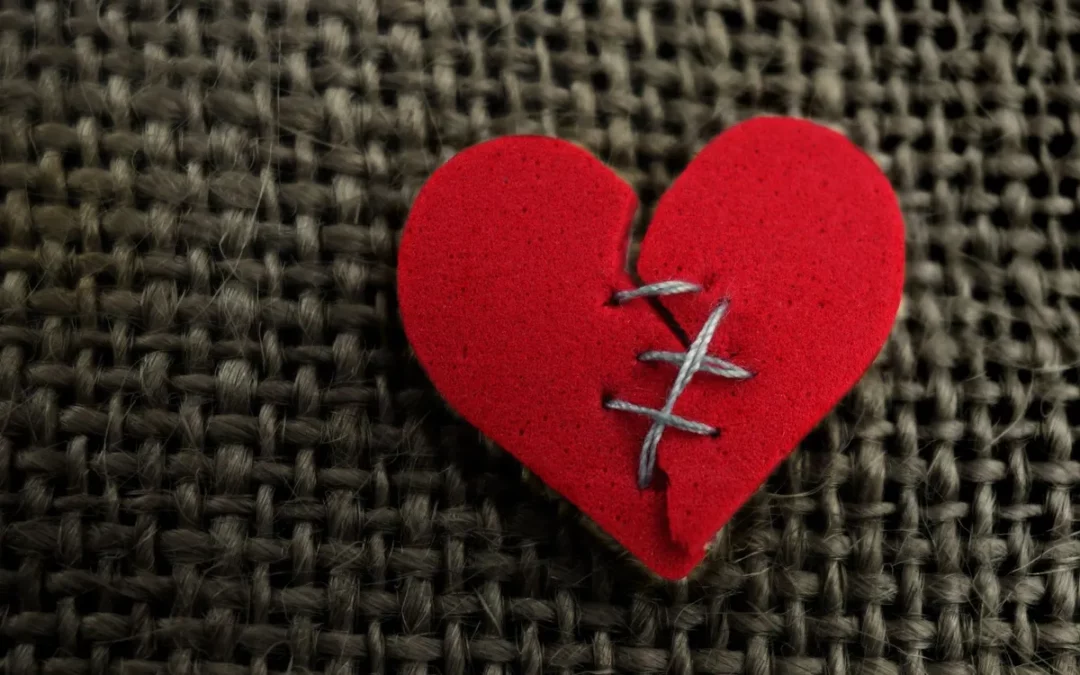
If you are wondering whether your relationship is falling apart, you are not overthinking or being dramatic. Many people reach a point where they feel something is off but struggle to put it into words. This guide is designed to help you clearly identify the signs your relationship may be in trouble, understand what they really mean, and decide whether to repair the bond or accept that it may be time to end the chapter.
This article goes far beyond surface-level lists. It explores emotional, psychological, and practical realities so you can make an informed decision about your current relationship, whether that means working to save your relationship or recognising when it is healthier to walk away.
Why Recognising the Warning Signs Early Matters in Every Relationship
In every relationship, there are challenges. Disagreements, stress, and life changes are normal. However, persistent warning signs often indicate deeper relationship problems that will not resolve on their own. When ignored, these patterns can slowly erode trust, intimacy, and overall relationship satisfaction.
Recognising early signs that a relationship is deteriorating allows you to act before resentment hardens. It also helps you protect your mental health and emotional wellbeing. Importantly, spotting these signs does not automatically mean you must end the relationship. It simply gives you clarity about what your relationship needs next.
11 Key Signs Your Relationship Is Falling Apart
Below are the most common and damaging key signs that indicate a failing relationship. If several of these resonate, your relationship may be in serious difficulty.
1. Loss of Physical and Emotional Intimacy
A major sign that the relationship is in trouble is a decline in both physical intimacy and emotional intimacy. Touch becomes rare, affection feels awkward, and conversations lose depth. In a healthy relationship, intimacy creates safety and closeness. When it disappears, partners often feel lonely even when together.
2. You No Longer Spend Quality Time Together
Healthy couples prioritise quality time together. When you stop spending quality time or intentionally avoid spending time together, it often means emotional withdrawal. A lack of shared experiences weakens the bond and reduces opportunities for love and connection to grow.
3. Communicating With Your Partner Feels Difficult or Pointless
Open dialogue is essential in any romantic relationship. If communicating with your partner feels tense, repetitive, or futile, this is a serious concern. When you no longer talk to your partner about fears, hopes, or daily life, misunderstandings multiply and emotional distance widens.
4. One Partner Is Doing All the Emotional Work
When one partner is always initiating conversations, planning time together, or trying to repair issues, an imbalance forms. Over time, the effort feels one-sided and exhausting. This dynamic often leads to resentment and signals that one or both partners may be emotionally checked out.
5. Constant Arguments or Hurtful Silence
Frequent conflict over minor issues is one of the clearest signs your relationship is falling apart. Equally damaging is silence. Stonewall behaviour, where one partner shuts down entirely, is emotionally hurtful and blocks resolution. Both patterns prevent genuine repair.
6. Defensiveness Replaces Accountability
When conversations immediately trigger defensiveness, growth becomes impossible. Instead of listening, partners protect themselves from blame. This pattern is one of the Gottman horsemen of the apocalypse, known predictors of long-term relationship breakdown.
7. Emotional Connection Has Faded
A weakening emotional connection often shows up as indifference. You may stop caring about your partner’s day or inner world. In an intimate relationship, emotional closeness fuels trust and security. Without it, the relationship becomes transactional and empty.
8. Infidelity or Growing Secrecy
Infidelity is both a cause and a symptom of a relationship falling apart. Even without physical cheating, emotional secrecy, hidden messages, or guarded behaviour indicates broken trust. Repair is possible, but only with honesty and effort from both sides.
9. You Fantasise About Life Without Your Partner
If you regularly imagine being alone or with someone else, this is one of the key signs your bond may be weakening. These thoughts often appear when emotional needs go unmet for a long time.
10. The Relationship Feels Like an Obligation
In a strong partnership, commitment feels chosen, not forced. If your committed relationship feels like a duty rather than a source of joy, it may signal deeper dissatisfaction.
11. You Feel Like It’s Too Late to Fix Things
When hope disappears, and you believe it’s too late, emotional withdrawal has often already occurred. This belief does not always mean the relationship cannot be saved, but it does mean urgent action is needed.
Relationship Falling Apart or Just a Rough Patch?
Every couple experiences stress. A key question is whether you are facing temporary challenges or a long-term decline. A rough patch usually includes willingness to try to talk, emotional responsiveness, and shared goals. A failing relationship lacks these qualities.
Ask yourself whether your partner is open to change and whether relationship satisfaction improves when you address issues. If not, the signs may point to a deeper breakdown.
What To Do When It Feels Like Your Relationship Is Falling Apart
If you feel like your relationship is falling apart, the first step is clarity. Talk to your partner honestly and calmly. Avoid blame and focus on how you feel.
Professional support can help:
- Couples therapy provides a safe environment to rebuild trust.
- Couples counselling focuses on communication patterns and conflict resolution.
- Marriage counselling offers structured marriage advice for long-term partnerships.
- A couple’s therapist or relationship coach can help identify unmet needs and emotional blind spots.
Can You Save a Relationship That’s Falling Apart?
Yes, many couples rebuild when both partners are committed. To get your relationship back, you must address unmet relationship needs, rebuild emotional intimacy, and intentionally create quality time.
However, saving a relationship requires effort from one or both partners. Without mutual willingness, progress is unlikely.
When It May Be Time to End the Relationship
Sometimes the healthiest choice is to accept that it is time to break or time to part ways. If there is ongoing disrespect, repeated betrayal, or emotional harm, choosing to call it quits may protect your well-being.
Ending a relationship does not mean failure. It means recognising that the relationship isn’t serving your growth anymore.
Final Relationship Advice
Whether you decide to rebuild or walk away, trust your instincts. Pay attention to the signs that your relationship is changing. Honest reflection, support, and courage will guide you forward.
If you recognise several of these 11 signs or more, take them seriously. Awareness is the first step towards clarity, healing, and a healthier future.

Rachel Hall, M.A., completed her education in English at the University of Pennsylvania and received her master’s degree in family therapy from Northern Washington University. She has been actively involved in the treatment of anxiety disorders, depression, OCD, and coping with life changes and traumatic events for both families and individual clients for over a decade. Her areas of expertise include narrative therapy, cognitive behavioral therapy, and therapy for traumatic cases. In addition, Rachel conducts workshops focusing on the psychology of positive thinking and coping skills for both parents and teens. She has also authored numerous articles on the topics of mental health, stress, family dynamics and parenting.




Leave feedback about this